Although I was recently introduced to Robotic Process Automation (RPA) by my career coach, I had accidentally encountered the topic much earlier—almost three years earlier. While in high school, I worked at a law firm as a marketing intern. There, I was tasked with completing a tedious marketing process: sending hard mail to potential clients with outstanding medical liens.
In short, the process included gathering data from a county database, cross-checking names with addresses through a separate database, entering said data into Excel, and mail-merging the data to printable, ready-to-send mail. I thought, “there has to be a faster, more efficient way to do this.” I found a Google Chrome extension called Linkclump and drastically expedited the process. I had found my passion for solving complex problems and finding innovative solutions. I also, without knowing at the time, found a passion for Robotic Process Automation. Today, a consultant could go to the law firm and completely automate this process using RPA technology.
UiPath, the leading RPA software firm, describes Robotic Process Automation as “the technology that allows anyone today to configure computer software, or a “robot” to emulate and integrate the actions of a human interacting within digital systems to execute a business process.” RPA robots can interpret data, trigger responses, and communicate with systems just like humans can, only substantially better: they never sleep and never make mistakes.
Companies can use an array of software to automate the tedious business processes they face. The issue is that these enterprise automation tools are expensive and take time to implement. RPA is attractive to businesses because it’s a fraction of the cost, takes a fraction of the time to implement, is non intrusive in nature, and uses the firm’s existing infrastructure without causing disruption. With all advantages being said, it is important to know that RPA has its pitfalls.
RPA isn’t for every business. The technology is rapidly eliminating jobs from the workforce. While this sounds like a positive consequence, companies who struggle to retain talent could be detrimentally impacted. Forrester Research estimates that RPA software will threaten the jobs of 230 million workers globally by next year. Additionally, not all processes are a match for RPA. Kevin Casey, writer at The Enterprisers Project, details four criteria when determining possible RPA fits:
- The process must be rule-based.
- The process must be repeated at regular intervals or have a pre-defined trigger.
- The process must have defined inputs and outputs.
- The task should have sufficient volume.
After talking to firms like CGI and Protiviti at the recent Eller Career Showcase, I learned that RPA is a hot topic. Through this service, we are seeing a revolution in business process automation. Clint Boulton, senior writer at CIO.com, explains that RPA is eliminating, “tedious tasks, freeing corporate workers to focus on higher value work.” The software is categorically reducing staffing costs and human errors within businesses. In 2018, a prominent bank utilized RPA by deploying 85 bots to run 13 processes, handling over 1.5 million requests per year. The possibilities that come from RPA implementation are endless.
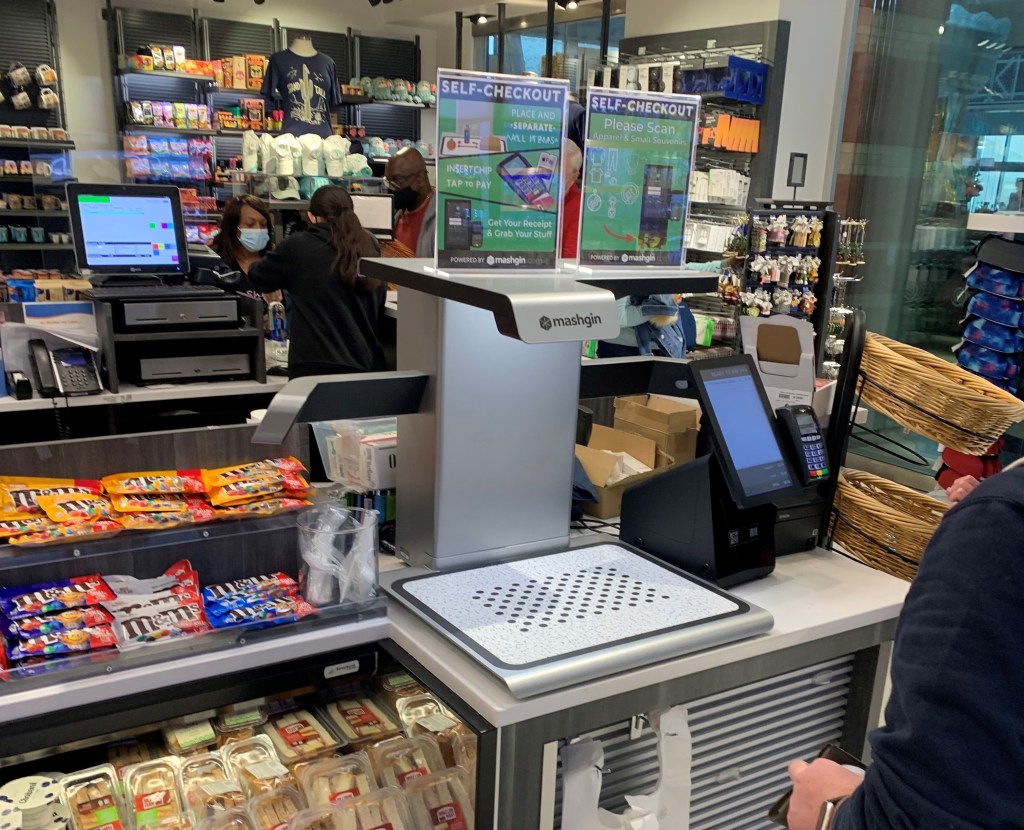
RPA is so exciting to me because I believe it is the technology of the future. I believe that we are at the beginning of a period that will be defined by serious technological advancement—a future that is encompassed by automation and artificial intelligence. With the arrival of autonomous cars, cashier-less stores, and automated processes, humankind will gain time. We will be relieved of the tedious and previously-necessary tasks that once encumbered us. In this dystopian-yet-very-feasible future, society will have the resources to do the things they love. We will invest time and energy into art, culture, food, film, fashion—the things that truly excite us as humans. I’m excited to be a part of this dynamic, tech-driven future.












 Zen Making Robots